Authorized AMSOIL Dealer
Joseph Feghali
Miami, FL

1981 Dodge Aries 2.6L Oil Type and Capacity

Free Vehicle Maintenance App

For cars, trucks, ATVs & more

Track oil changes, save service records, and get maintenance reminders.

Keep your maintenance history handy for your next service.

Your Vehicle's Information

Year:

1981

Make:

Dodge

Model:

ARIES

Engine Size:

2.6L

Engine #:

[D]

Recommended Synthetic Oil for a 1981 Dodge Aries 2.6L

Product Name Product Description Capacities Product
Signature Series 10W-30 Synthetic Motor Oil Get the best synthetic oil for your Aries now! Save time and money and protect your Dodge. With filter 5 quarts After refill check oil level. ATMQT-EA
Signature Series 10W-30 Synthetic Motor Oil ATMQT-EA
Add To Cart
Add To Cart
XL 10W-30 Synthetic Motor Oil Protect your Aries with Amsoil and support the best MADE in USA oil! With filter 5 quarts After refill check oil level. XLTQT-EA
XL 10W-30 Synthetic Motor Oil XLTQT-EA
Add To Cart
Add To Cart
OE 10W-30 Synthetic Motor Oil AMSOIL OE Synthetic Motor Oil is specially made for the extended oil change intervals recommended for your 1981 Dodge Aries 2.6L engine. It has advanced synthetic technology that resists chemical breakdown for maximum wear protection for your vehicle which is well beyond the traditional 3,000-mile oil change interval. Get the best synthetic oil now for your Dodge Aries. With filter 5 quarts After refill check oil level. OETQT-EA
OE 10W-30 Synthetic Motor Oil OETQT-EA
Add To Cart
Add To Cart

Recommended oil filters for my 1981 Aries

Product Name Product Description Product
WIX Oil Filter Wix oil filters for your 1981 Dodge Aries have extended OEM recommendations which match the drain intervals of AMSOIL XL synthetic motor oil which is 12k or 1 year, whichever is first. 51381-EA
WIX Oil Filter 51381-EA
Add To Cart
Add To Cart

Recommended transmission fluids for my 1981 Aries

Product Name Note Capacities Product Description Product
Signature Series Multi-Vehicle Synthetic Automatic Transmission Fluid Automatic Transmission Fluid
A412 (4-SPD) 2.7 pints Torques: Manual Transmission Drain Plug...15 ft/lbs Manual Transmission Fill Plug...15 ft/lbs
A460 (4-SPD) 3.8 pints Torques: Manual Transmission Drain Plug...NA ft/lbs Manual Transmission Fill Plug...NA ft/lbs
3 quarts Initial Fill
Amsoil's Signature Series Multi-Vehicle Synthetic automatic transmission fluid is made to blow the doors off any regular or conventional ATF fluids on the market and our oil surpasses the performance needs of most vehicles. Protect your transmission and avoid costly repairs. This fluid has an advanced formula to give awesome top-notch protection under harsh operating conditions. Transmission repairs are expensive so protect your vehicle with this great fluid! ATFPK-EA
Signature Series Multi-Vehicle Synthetic Automatic Transmission Fluid ATFPK-EA
Add To Cart
Add To Cart
OE Multi-Vehicle Synthetic Automatic Transmission Fluid Automatic Transmission Fluid
A412 (4-SPD) 2.7 pints Torques: Manual Transmission Drain Plug...15 ft/lbs Manual Transmission Fill Plug...15 ft/lbs
A460 (4-SPD) 3.8 pints Torques: Manual Transmission Drain Plug...NA ft/lbs Manual Transmission Fill Plug...NA ft/lbs
3 quarts Initial Fill
Outsanding protection and resists varnish! Change interval based on your Aries's recommendation. OTFQT-EA
OE Multi-Vehicle Synthetic Automatic Transmission Fluid OTFQT-EA
Add To Cart
Add To Cart

Recommended coolants for my Dodge Aries

Product Name Product Description Capacities Product
Passenger Car & Light Truck Antifreeze & Coolant maximum protection for your 1981 Dodge Aries under extreme temperatures and operating conditions! Lasts up to 150,000 miles or five years! (whichever comes first) ANTPC1G-EA
Passenger Car & Light Truck Antifreeze & Coolant ANTPC1G-EA
Add To Cart
Add To Cart
Low Toxicity Antifreeze and Engine Coolant Lasts in your 1981 Dodge Aries for up to 150,000 miles or five years! (whichever comes first). Biodegradable! ANT1G-EA
Low Toxicity Antifreeze and Engine Coolant ANT1G-EA
Add To Cart
Add To Cart

Maintaining Lubrication Standards for the 1981 Dodge ARIES 2.6L

Proper engine care for a vehicle of this era requires a focus on consistent monitoring and adherence to specific fluid requirements. For owners of the 1981 Dodge ARIES equipped with the 2.6L engine, maintaining the internal lubrication system is a fundamental aspect of long-term mechanical health. Because older engines can exhibit different behaviors regarding fluid retention and cleanliness compared to modern vehicles, a proactive approach to inspection and oil selection is highly beneficial.

Monitoring Fluid Integrity and Potential Leaks

One of the most effective ways to monitor the health of the 2.6L engine is through regular visual inspections for signs of fluid seepage. Over time, various gaskets and seals may experience changes in their ability to maintain a tight seal due to heat cycles and age. When performing routine maintenance, it is useful to look closely at the areas where the engine meets the transmission and around the lower portions of the engine block. If you notice any wetness or dark staining on the underside of the engine or on the driveway beneath the vehicle, these can be indicators that a seal or gasket may require attention. It is important to note that a small amount of seepage does not always indicate an immediate failure, but it should be documented and monitored. Changes in the frequency or volume of any observed leakage can help you determine if a component is nearing the end of its service life. Beyond just looking for leaks, checking the level and appearance of the oil during every service interval is vital. Oil that appears excessively dark, gritty, or has a strong odor may indicate that the lubricant is breaking down or has been contaminated. Maintaining a clean engine bay also makes it much easier to spot new leaks before they become significant issues.

Observing Changes in Engine Behavior

While visual inspections are critical, paying attention to how the vehicle operates can provide additional clues regarding the state of its lubrication. Owners should be observant of any changes that occur during normal driving. For instance, if you notice a change in how the engine sounds or if there is an unusual odor after the vehicle has reached operating temperature, these symptoms warrant further investigation. An unusual odor might suggest that oil is contacting a hot external component, which can happen if a seal is not performing as intended. Additionally, any unexpected changes in how the engine responds to throttle inputs or idling should be noted. It is important to remember that many different mechanical factors can cause similar symptoms; therefore, an observation of a new sound or smell should be treated as a prompt for a professional inspection rather than a definitive diagnosis of a specific part failure. Monitoring the frequency of oil consumption is another practical way to track engine health. If you find yourself needing to add oil more often than previously required, this change in consumption patterns should be investigated to identify the cause and prevent potential long-term issues.

Prioritizing Maintenance Based on Current Condition

As vehicles age, the most effective maintenance strategy shifts from following a generic schedule to managing the vehicle based on its actual, current condition. For a 1981 Dodge ARIES, this means prioritizing tasks that address the specific needs of your individual engine. If you have access to previous service records, reviewing them can help establish a baseline for what has been replaced and what is still original. If maintenance history is unavailable, your first priority should be to establish a new baseline by performing a thorough inspection of all fluids and major engine components. Once this baseline is set, you can focus on addressing active concerns—such as minor leaks or aging belts (if equipped)—before they escalate into more complex repairs. Distinguishing between preventive maintenance and unnecessary part replacement is key to efficient ownership. Rather than replacing every rubber component simply because of the vehicle's age, focus on components that show actual signs of deterioration, such as cracking, glazing, or fraying. This condition-based approach ensures that your maintenance efforts are directed where they will provide the most benefit to the 2.6L engine.

Managing Long-Term Engine Health

Consistent record-keeping is one of the most valuable tools for any owner of a classic or older vehicle. Keeping a detailed log of every oil change, filter replacement, and mechanical repair provides a clear picture of the vehicle's history. This documentation is particularly useful when trying to identify patterns, such as how quickly certain fluids are consumed or how often specific components require attention. A well-maintained service history can also assist in troubleshooting. If a new symptom arises, being able to look back at exactly when a component was last serviced can significantly narrow down the potential causes. Furthermore, as the vehicle continues to age, these records will help you make informed decisions about whether to continue investing in specific repairs or if certain maintenance patterns are changing due to the engine's increasing mileage and years of service.

Practical Steps for Selecting Lubricants

When it comes to replenishing your engine oil, accuracy is more important than following general trends found in modern automotive literature. The requirements for a 1981 engine may differ significantly from those of a vehicle manufactured today. To ensure the longevity of the 2.6L engine, you must match the lubricant to the specific application details provided for this vehicle. When you are ready to purchase new oil, always refer back to the application-specific information displayed on this page. This ensures that you are using the correct viscosity and meeting the necessary standards for your specific model year and engine configuration.

Buying Engine Oil for your 1981 Dodge ARIES 2.6L

To ensure the best possible protection for your engine, always verify that the product you select aligns with the vehicle-specific oil viscosity information listed in the application data above. While there are many options available on the market, including conventional, synthetic blends, and full synthetic formulations, the most important factor is matching the lubricant to the requirements of your 1981 Dodge ARIES. Before completing your purchase, carefully check the product labels to confirm they meet the necessary specifications. If you are considering high-mileage formulations, be aware that these often contain additives intended for use in aging engines, which may assist with seal conditioning. However, always prioritize the viscosity and quality standards explicitly identified for your 2.6L engine to maintain optimal performance and protection.
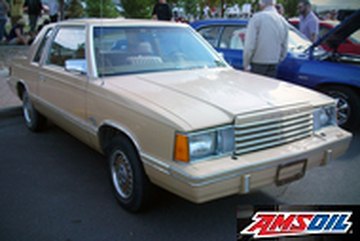
Catalog vehicle photograph for 1981 Dodge ARIES
Vehicle photograph from our catalog. Appearance may differ by model or trim.
Visit us on social media